

Hey there! As a supplier of Dual - Head Lathe CNC machines, I often get asked about how these amazing pieces of equipment ensure the concentricity of the two heads. It's a crucial aspect, especially for precision machining, so I'm stoked to share some insights with you.
First off, let's talk about what concentricity means in the context of a Dual - Head Lathe CNC. Concentricity refers to the alignment of the axes of the two heads. When the two heads are perfectly concentric, it means that they share the same center point, which is super important for achieving accurate and consistent machining results. If the concentricity is off, you can end up with parts that don't fit together properly, have uneven surfaces, or don't meet the required specifications.
One of the key factors in ensuring concentricity is the mechanical design of the lathe. The structure of the Dual - Head Lathe CNC needs to be robust and rigid. This means using high - quality materials and precise manufacturing processes. For example, the bed of the lathe, which is the foundation that supports the two heads, should be made of a material with high stiffness, like cast iron. Cast iron can absorb vibrations and provide a stable base for the heads to operate on. Also, the guideways on which the heads move need to be accurately machined and aligned. Any misalignment in the guideways can cause the heads to deviate from their intended paths, leading to poor concentricity.
Another important aspect is the use of advanced control systems. Our Dual - Head Lathe CNC machines are equipped with state - of - the - art control systems that can precisely monitor and adjust the position of the two heads. These control systems use sensors to measure the position, speed, and other parameters of the heads in real - time. Based on the data collected by the sensors, the control system can make micro - adjustments to ensure that the two heads stay in perfect alignment.
For instance, we use the EtherCAT 6 - Axis Control (Pulse/Analog) Motion Module ESC - AXES6 - V2. This module provides high - speed and accurate control over the motion of the heads. It can synchronize the movement of the two heads with extreme precision, ensuring that they move in tandem and maintain the required concentricity. The EtherCAT communication protocol used in this module allows for fast data transfer between the control system and the motors that drive the heads. This means that any adjustments can be made quickly, reducing the chances of concentricity errors.
In addition to the motion control module, we also use the EtherCAT 16 - Point Input/16 - Point Output (Transistor) IO Module. This module is used to interface with various sensors and actuators on the lathe. It can receive input signals from sensors such as position sensors, proximity sensors, and force sensors. These sensors can detect any deviations in the position or movement of the heads and send the information to the control system. The control system can then use this information to take corrective actions. The output signals from the IO module can be used to control actuators such as motors, solenoids, and valves, which can adjust the position and movement of the heads.
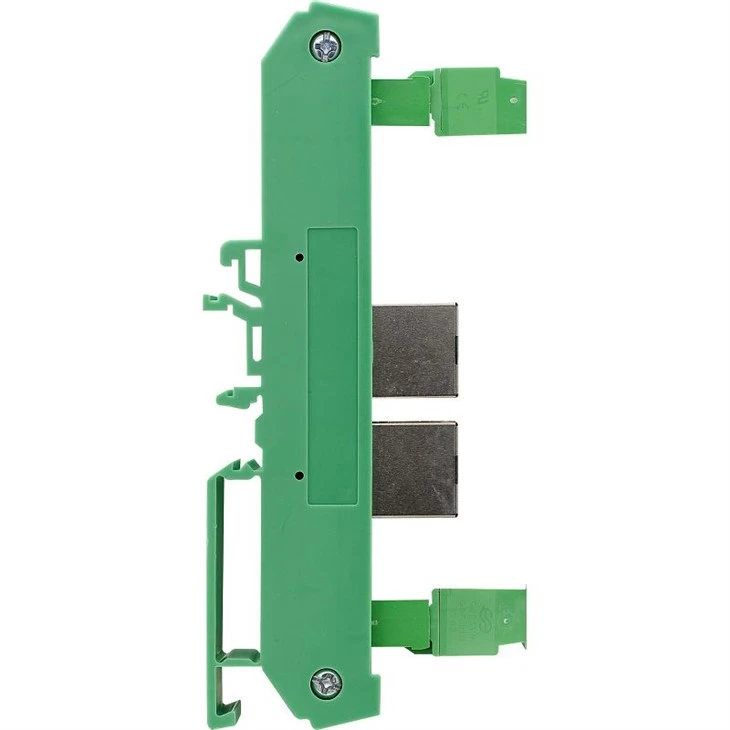
The H/A/B Series Interface Conversion Module MODULE - CON - BTH1 - V1 is another important component in our control system. This module is used to convert signals between different interfaces. It can ensure that all the components in the control system can communicate effectively with each other. For example, it can convert the signals from the sensors, which may be in one format, to a format that the control system can understand. This seamless communication between different components is essential for maintaining the concentricity of the two heads.
Calibration is also a critical step in ensuring concentricity. Before the Dual - Head Lathe CNC is put into operation, it needs to be carefully calibrated. This involves using precision measuring tools to check the alignment of the two heads and make any necessary adjustments. During the calibration process, we measure the distance between the axes of the two heads at multiple points along their travel. If there are any discrepancies, we can use the adjustment mechanisms on the lathe to correct them. Regular calibration is also necessary during the operation of the lathe to account for any wear and tear or changes in the environment.
Maintenance plays a big role too. Keeping the Dual - Head Lathe CNC in good condition is essential for maintaining concentricity. This includes regular cleaning, lubrication, and inspection of the components. For example, the guideways need to be kept clean and lubricated to ensure smooth movement of the heads. If there is dirt or debris on the guideways, it can cause the heads to move unevenly, affecting the concentricity. Also, the bearings that support the spindles of the heads need to be inspected regularly for signs of wear. Worn - out bearings can cause the spindles to wobble, leading to poor concentricity.
Software also contributes to the concentricity. The control software of our Dual - Head Lathe CNC machines has built - in algorithms that are designed to optimize the movement of the heads. These algorithms can take into account factors such as the load on the heads, the speed of machining, and the material being machined. They can adjust the movement of the heads in real - time to ensure that the concentricity is maintained throughout the machining process.

In conclusion, ensuring the concentricity of the two heads in a Dual - Head Lathe CNC is a complex process that involves a combination of mechanical design, advanced control systems, calibration, maintenance, and software. At our company, we are committed to providing high - quality Dual - Head Lathe CNC machines that can achieve excellent concentricity. If you're in the market for a Dual - Head Lathe CNC and want to learn more about how our machines can meet your needs, don't hesitate to reach out to us. We're here to answer your questions and help you find the right solution for your machining requirements.
References
- "CNC Machining Handbook"
- "Precision Machine Design and Manufacturing"


